About Gordon Park
Gordon Park is located at the corner of Ashland Avenue and Virgil St in Atlanta. While today it is a thoughtfully landscaped and sustainable native plant garden serving as a place of community where neighbors and visitors alike can enjoy and gather together, just five years ago, Gordon Park was a neglected plot of land covered in invasive plants and rubbish. During the pandemic a group of neighbors sought to reimagine the space. Vision boards were hung in the park to allow for neighborhood input, meetings involving interested volunteers met to make plans and enlist the support of the neighborhood, and plans came together to reclaim this plot of land for the neighborhood.
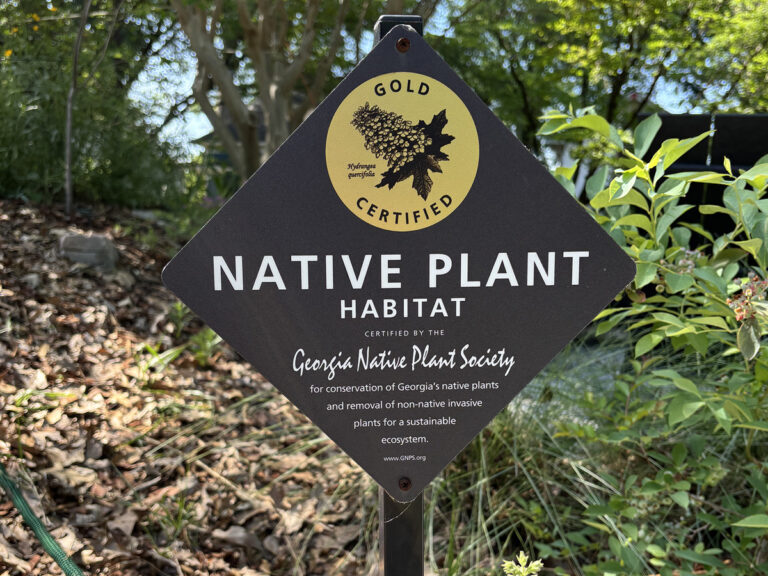
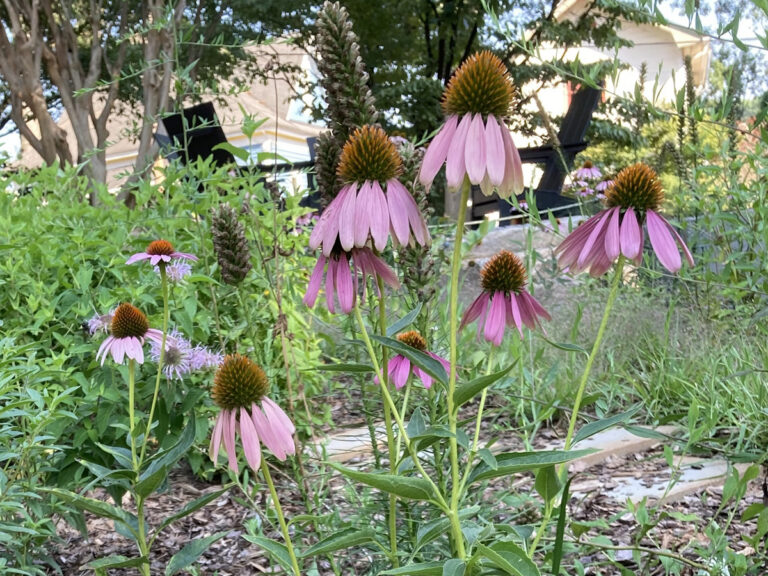
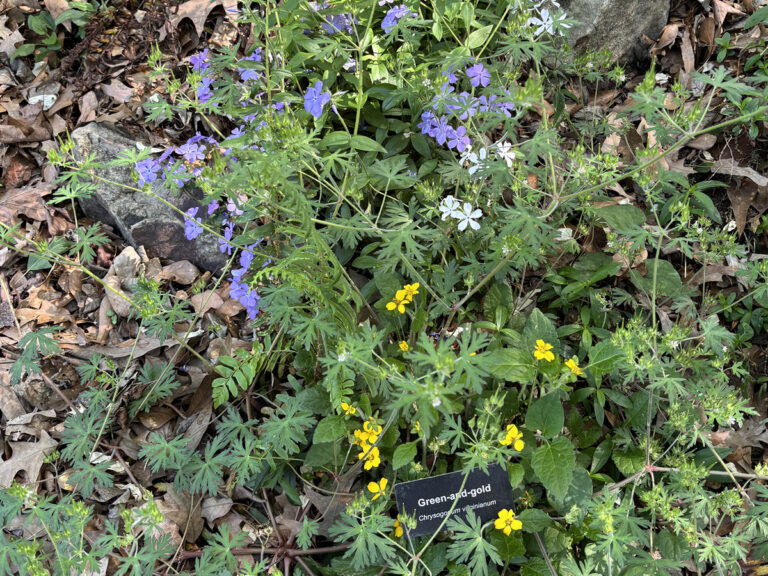
We are proud to be have been granted Gold Certification from the Georgia Native Plant Society!!
Native Plant Gardening
Native plants are integral to Georgia’s rich and diverse ecosystem and offer numerous environmental benefits. Native plants evolved over thousands of years to thrive in our unique climate, making them more resilient to pests, diseases and extreme temperatures than non-native plants.They provide essential habitat and sustenance for birds, mammals, and insects, support pollinators like bees and butterflies, improve water quality and enrich soil health. They also require less irrigation, pest control and fertilizer than non-native species.
During the winter you will notice that it looks a bit a mess. There is a reason for that. Leaving seed pods and stalks up is important for supporting bird life and insect life over the winter. Many insects lay their eggs on the stalks and birds feed on the seed pods. Leaves from our trees are also important for insects to their eggs and are beneficial as a natural mulch protecting our plants through the winter.
While we are still working to clear out non-native and invasive species, but all new plantings (minus a few herbs – see the community section) in Gordon Park are native to the area. Check out the What’s Blooming section to learn more about the specific plants in Gordon Park.
If you are interested in adding more native plants to your own yard, the Georgia Native Plant Society is a great resource to find out which plants are truly native to the area. Many nurseries will denote native plants or there is a native plant shop in Decatur, Beech Hollow Farms, that offers native plants exclusively.
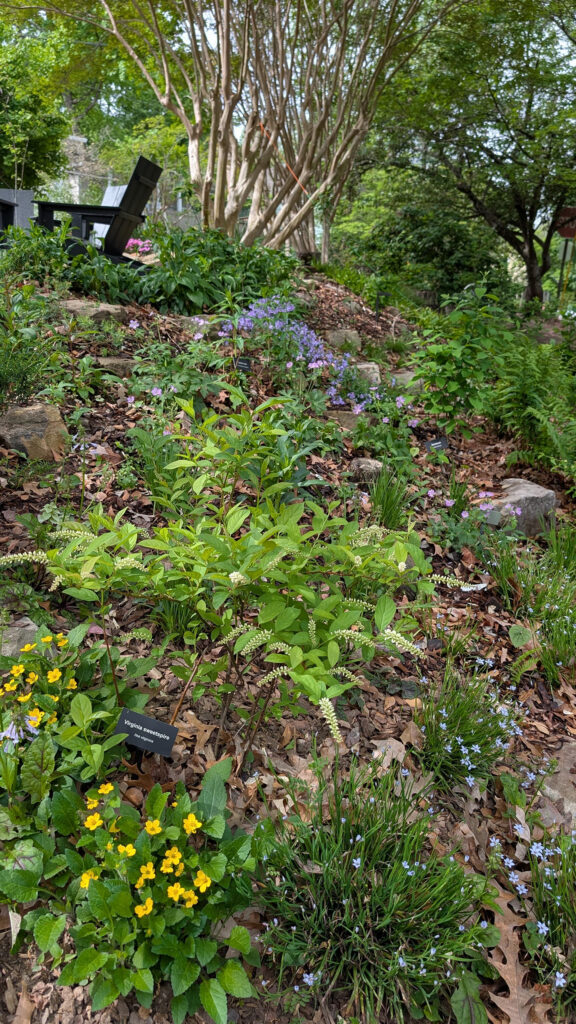
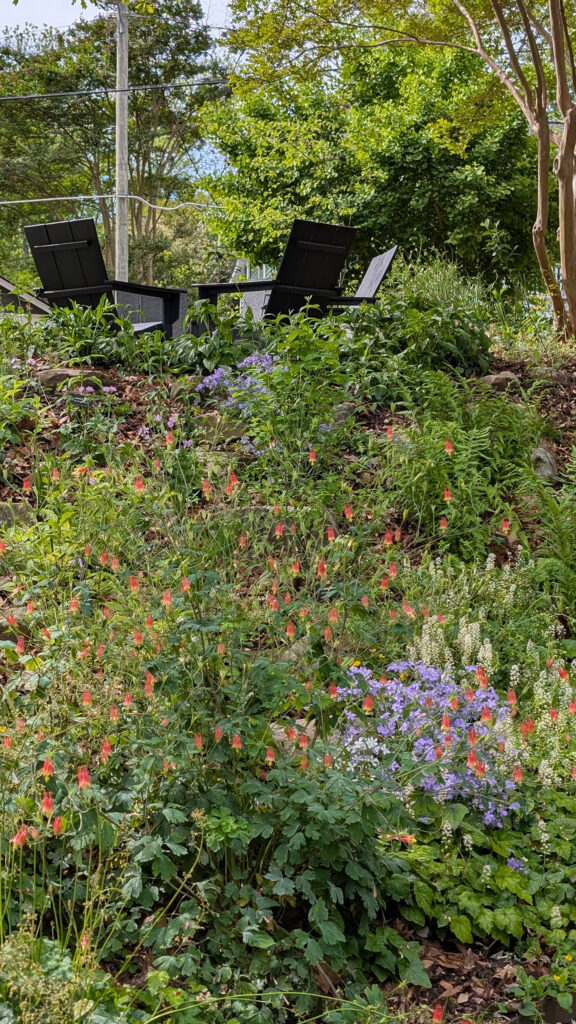
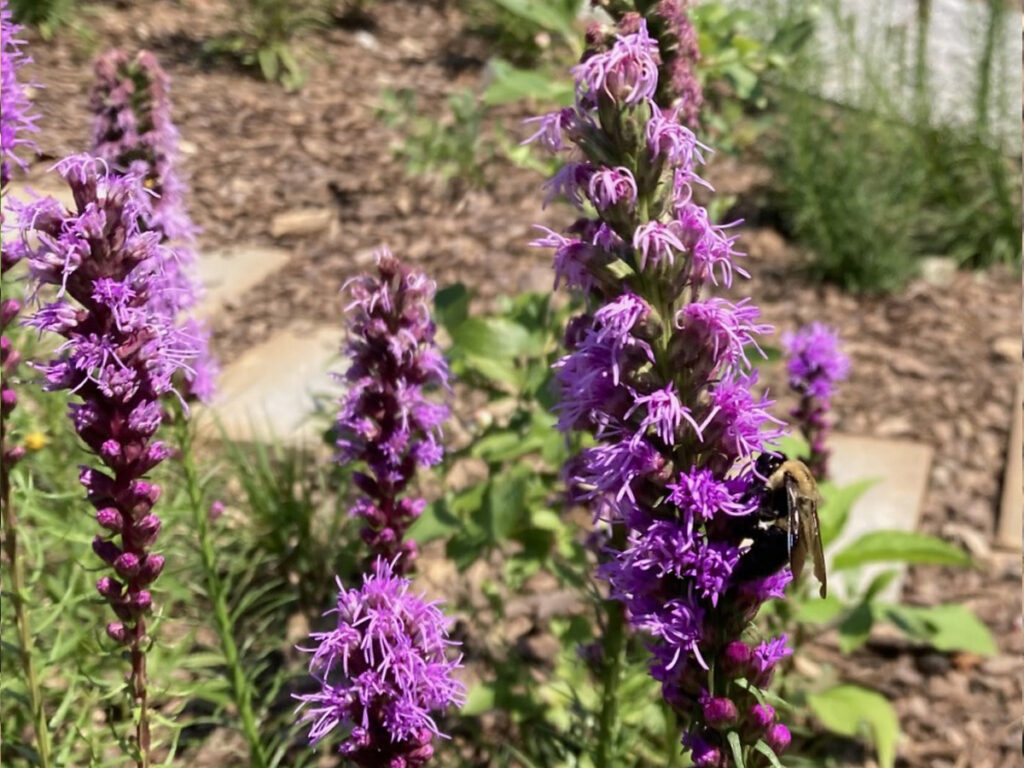
What's Blooming
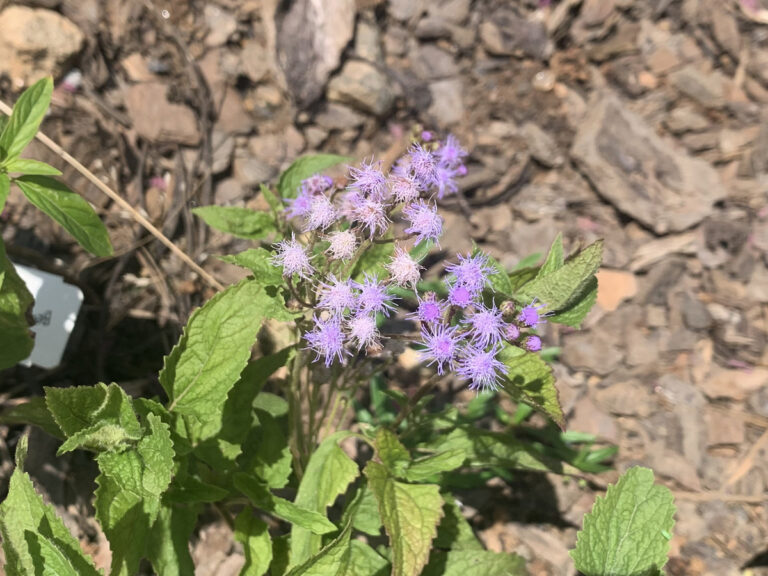
If you are interested in what is blooming now or what to look forward to, we love to share what we have growing. A variety of native plants now occupy Gordon Park. There is a mix of blooming plants, shrubs, grasses, ferns, and trees. From month to month you will see different plants blooming throughout the park with so many colors and textures to lay eyes upon. And as the garden matures we will have fruiting shrubs and trees as well. Maybe one of these plants would be perfect for your yard!
Garden Highlight: Milkweed
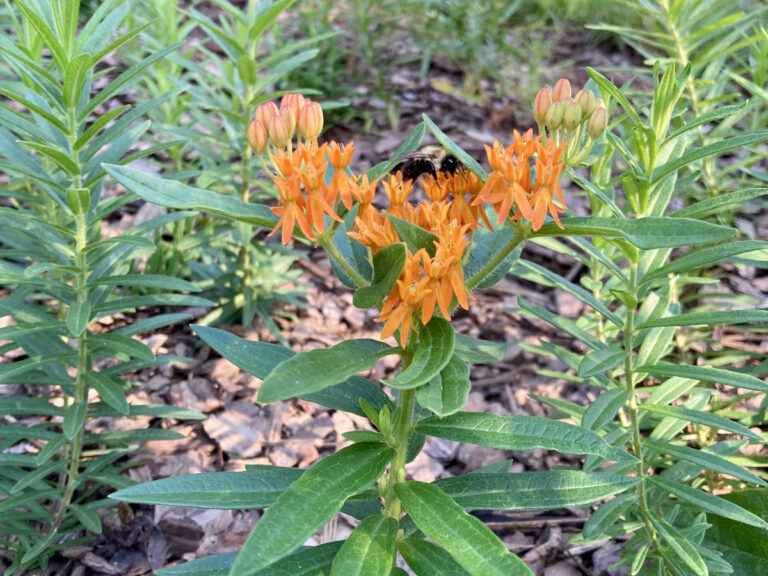
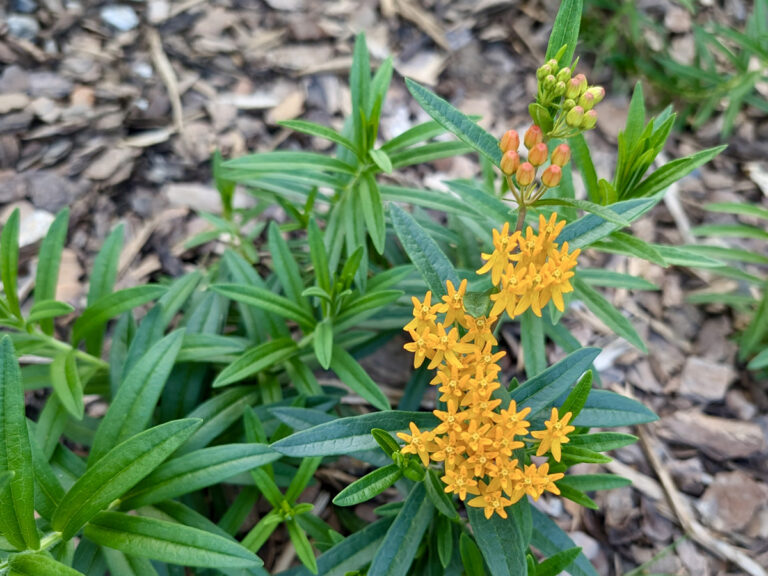
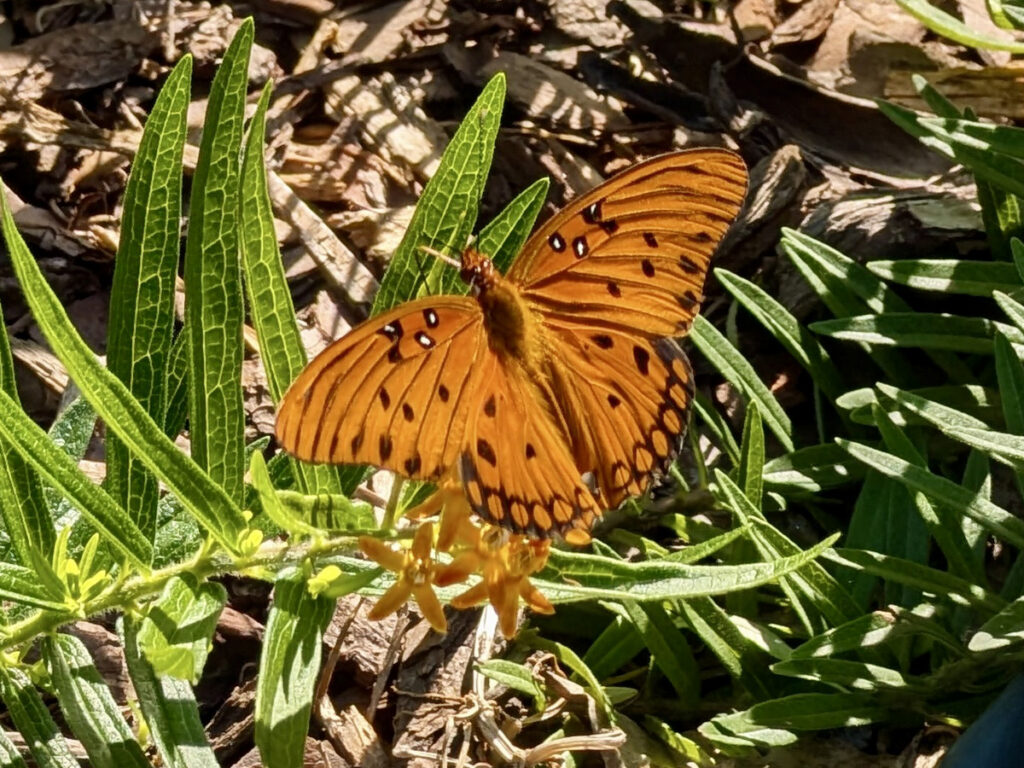
Have you seen the bright orange flowers in pockets throughout Gordon Park? These are Butterfly Weed, 72 plugs of which were planted in Gordon Park by neighborhood volunteers in April of 2024. A fabulous drought-tolerant plant, these tiny plugs survived our heat wave, have taken off and are now happily covered in bees and other pollinators.
- Butterfly milkweed (Asclepias tuberosa): orange flowers, in Gordon Park
- Swamp milkweed (Asclepias incarnata): pink flowers, needs moist soil, taller
- Whorled milkweed (Asclepias verticillata): white to pale green flowers
- Smoothshead milkweed (Asclepias perennis): white flowers, found in floodplains
There are other species of milkweed commonly sold by local growers that are not recommended for Georgia for several reasons, including potentially spreading a disease harmful to monarchs (tropical milkweed, Asclepias curassavica) and pushing out beneficial native species (common milkweed, Asclepias syriaca). Don’t plant those!
- Bloom time: June – September
- Ecological role: Provides nectar for numerous pollinators and exclusive host plant for migrating monarch butterflies.
- Host plant: Monarchs only lay eggs on milkweed plants, which are then eaten by the larvae when the eggs hatch. Monarchs migrate to Mexico, a distance of over 3,000 and stop in Georgia on the way. They migrate through Georgia in April-May and August-October and are breeding during both periods. They can’t do this without milkweed. Due to habitat loss, pesticides, herbicides and other factors, migrating monarch populations have dropped dramatically in the last 20 years. Planting butterfly milkweed in Gordon Park supports these populations.
For more information on milkweed and the species for Georgia, try this link from the Georgia Native Plant Society.
For more information on monarch butterflies: https://www.xerces.org/milkweed
Look for updates in the Advocator where we highlight various plants from month to month.
Community and History
For those new to the area or those looking for ways to get involved, volunteer opportunities range from participating in workdays where we clear out invasive plants and plant native species, to adding hardscape and mulching, to signing up to water those new plants when we are in a dry spell. And if you are a student and looking for some services hours we would love to have you join us.
While we tout being a native plant garden, if you have ambled by, you may have noticed a little corner of the garden that is dedicated to herbs. (Yes, we realize they aren’t native.) This is our gift back to the community. Many of us live in areas with yards beneath the canopy of old growth trees and don’t have the sunshine to grow herbs. They do better when cut on a regular basis, so come on by and add some herbs to that delicious meal you have planned for tonight!
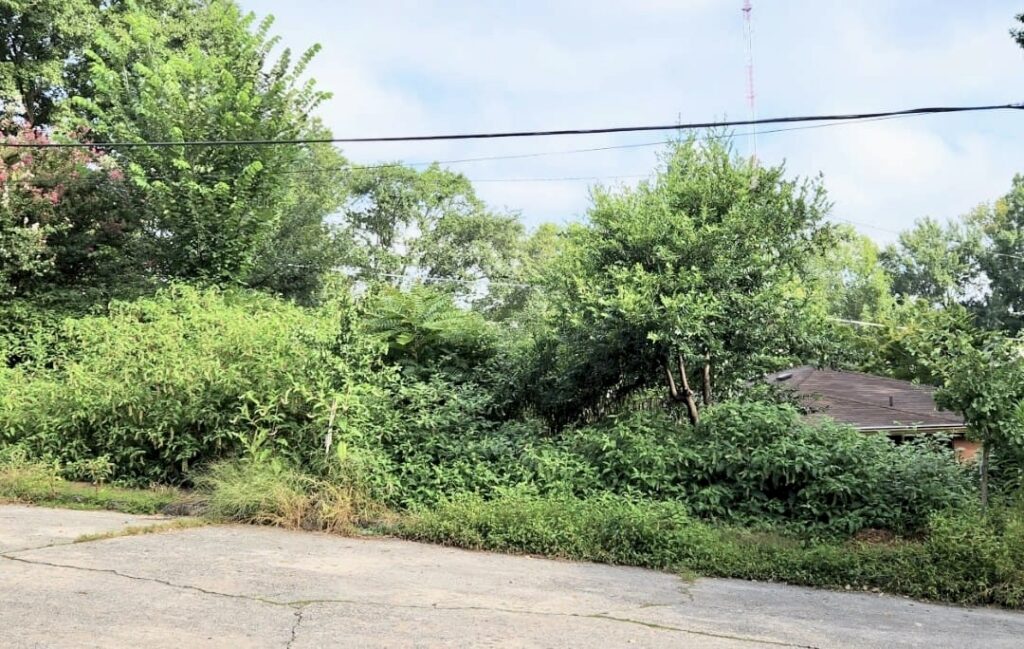
Gordon Park, previously overrun by invasive plants
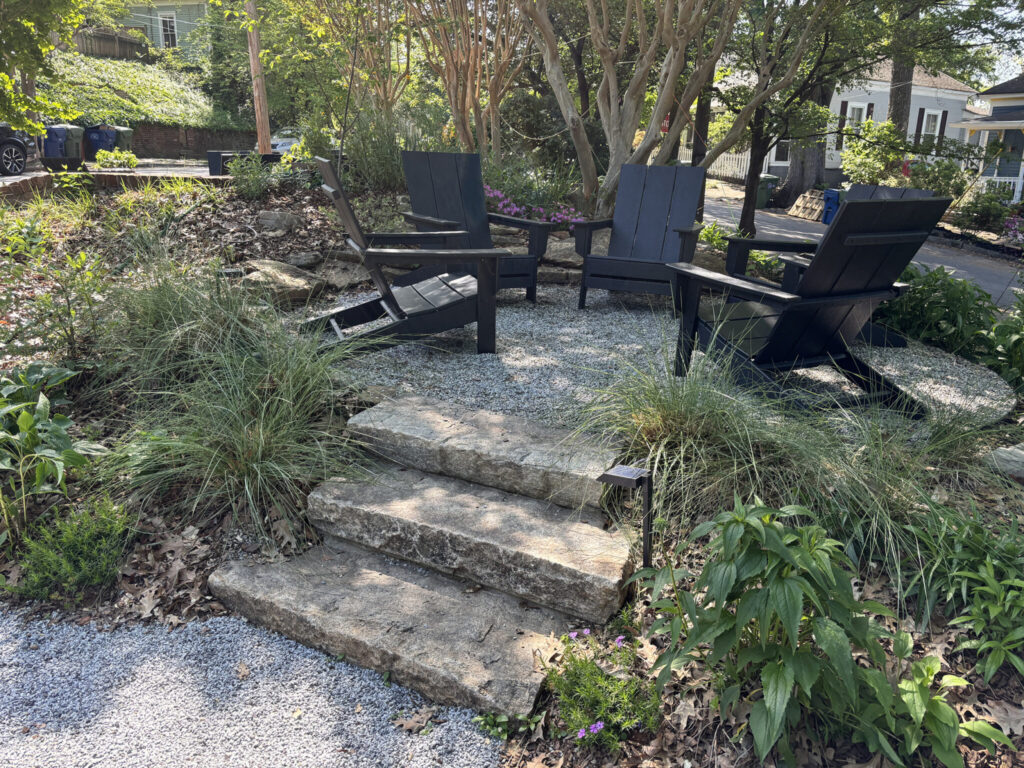
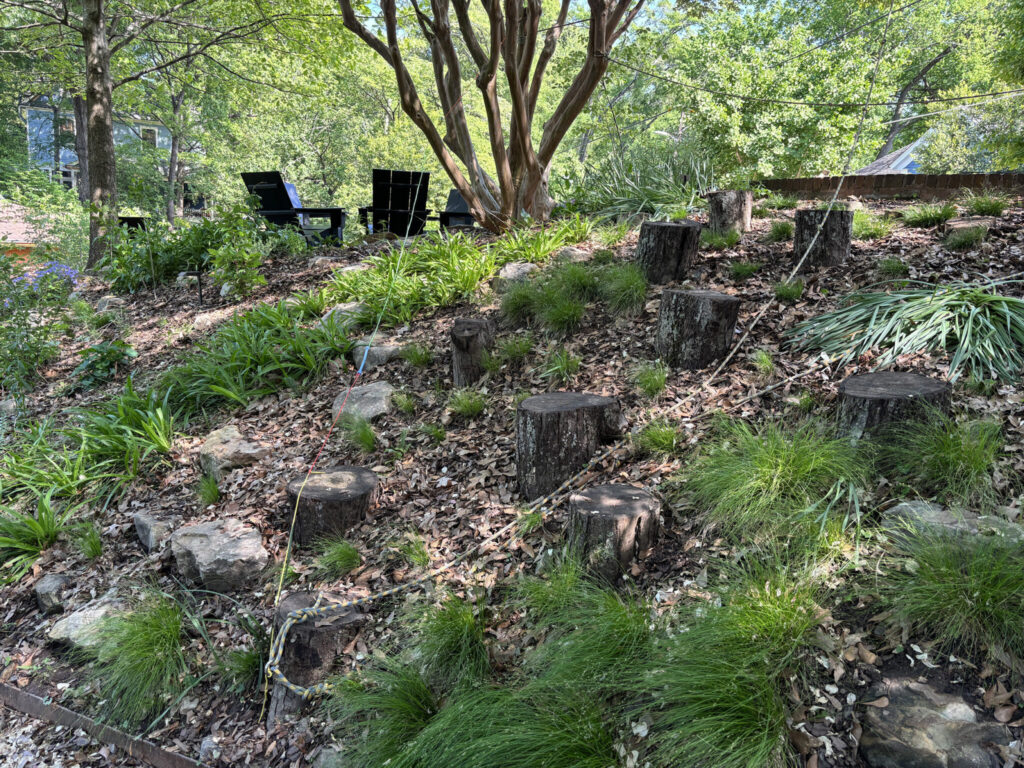
Gordon Park Then...
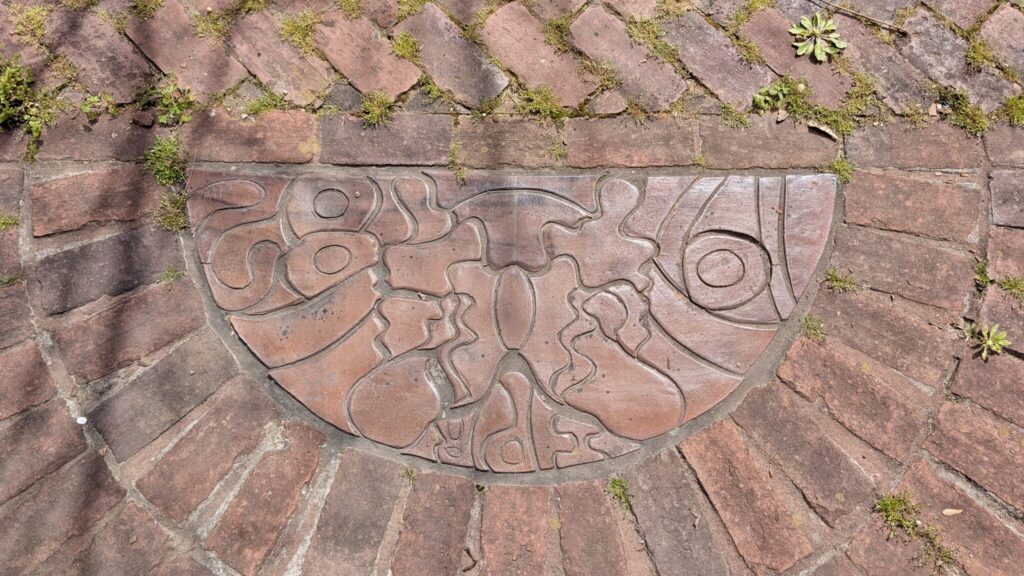
“I was greeted, every time I stepped out the front door of my house on Ashland Avenue, by the sight of an overgrown garbage-filled vacant point of land at the intersection of Virgil and Ashland. The year was 1979. The lot, running 122 feet on Ashland and 96 feet on Virgil, was owned by a man in Lithonia. He had owned the land since 1956 and had acquired it as part of a plan to build apartments in the area. After some negotiation with the owner, he agreed to donate the land to the neighborhood. On September 1, 1979, A.H. Parker handed me, as neighborhood president, the deed to the property; Inman Park now owned what would become a small park. We set about clearing and beautifying. Brickwork was added and adorned with a sculpture by neighbor Chris Sibley, who lived at the corner of Ashland and Ashland Drive. Now all we needed was a name for our new acquisition. Mac Gordon lived on Hale Street with his mother, a long-time community activist from the 1950s and 60s. Mac was a local fixture who frequently walked the area of Virgil, Ashland, and Hale Street, a long club in hand, keeping an eye out for anything threatening the community. After the passing of Mac and his mother, we named the spot Gordon Park.”
Joseph Drolet